Skimming and scanning are two different reading strategies. Skimming is reading topic sentences to get a basic idea of what the text or book is about. Scanning is looking for keywords to find the information needed.
This activity was to try and improve the usage of skimming and scanning when reading different texts to find main points of information. In this skimming and scanning activity, the objective was to identify which questions were skimming and which questions were scamming as well as giving answers for each of them.
LI: To find general information and specific facts by skimming and scanning.
Thursday, 12 March 2020

Early New Zealand Exploration | Kupe & Captain James Cook
LI: To learn about early exploration.
Kupe and Captain James Cook are two important explorers in New Zealand's history.
Kupe arrived in New Zealand around the 1100's. He travelled by traditional methods on a traditional sail boat called the 'Poti'. Myth has it he followed a giant octopus in hopes of fighting and killing it. He did this voyage to find new land for his people to live and because of the lack of sea life in his village. His wife, Kuramārōtini named New Zealand Aotearoa (Land of the Long White Clouds) after seeing mountains under the cloud.
Captain Cook arrived to New Zealand in 1768. Cook travelled to New Zealand in a boat called the Endeavour which was weaponized and really big. Captain Cook was set to find the great southern continent but instead ended up in New Zealand.
Kupe is important to New Zealand's history because he was the first documented person in New Zealand. Captain Cook is important to New Zealand's history because he mapped New Zealand and opened it up to the world to access.
Kupe and Captain James Cook are two important explorers in New Zealand's history.
Kupe arrived in New Zealand around the 1100's. He travelled by traditional methods on a traditional sail boat called the 'Poti'. Myth has it he followed a giant octopus in hopes of fighting and killing it. He did this voyage to find new land for his people to live and because of the lack of sea life in his village. His wife, Kuramārōtini named New Zealand Aotearoa (Land of the Long White Clouds) after seeing mountains under the cloud.
Captain Cook arrived to New Zealand in 1768. Cook travelled to New Zealand in a boat called the Endeavour which was weaponized and really big. Captain Cook was set to find the great southern continent but instead ended up in New Zealand.
Kupe is important to New Zealand's history because he was the first documented person in New Zealand. Captain Cook is important to New Zealand's history because he mapped New Zealand and opened it up to the world to access.
Wednesday, 11 March 2020
Basic Facts Boxes
LI: To learn basic maths facts.
Today I completed the Addition Sheet 3 for basic facts boxes. The time I got was 3 minutes and 6 seconds. The point of this activity is to help get faster at answering basic maths equations. I think that I could do the last addition sheet faster than I did this week.


Place Values | Maths
Place value determines where the value of a digit goes. In the presentation I explained what place values are and how the place value house works and showed two examples. The examples were one place value house (Hundreds, Tens & Ones), and the second example was two place value houses (Hundreds of Thousands, Tens of Thousands & Thousands).
When you are adding the numbers move to the left however, if you subtract the numbers move to the right. Place value houses go to decimals as well.
LI: To understand the movements within the place value system.
When you are adding the numbers move to the left however, if you subtract the numbers move to the right. Place value houses go to decimals as well.
LI: To understand the movements within the place value system.
Writing | Compound Sentences
Compound sentences are two simple sentences joined together with a comma and conjunction (FANBOY - For, And, Nor, But, Or, Yet & more).
A simple sentence can be made by following the steps that consider the simple sentences, conjunction, and comma.
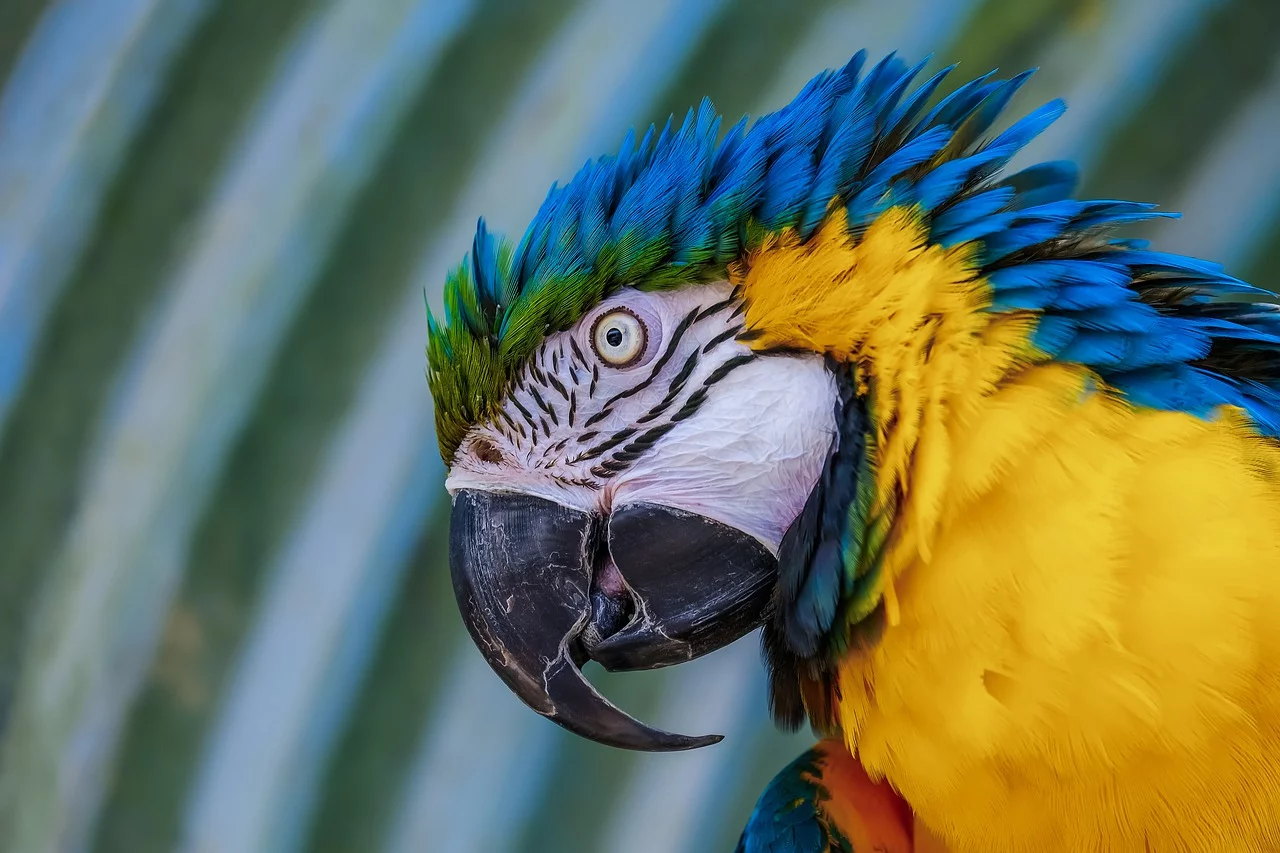
First make two simple sentences. Example:
- The macaw's back feathers are blue.
- The macaw's chest feathers are yellow.
Then pick a conjunction.
- But.
Stick them together with a comma after the first sentence then the conjunction.
The macaw's back feathers are blue, but her chest feathers are yellow.
Instead of saying; " The macaw's back feathers are blue, but the macaw's chest feathers are yellow ", switch is to say something other than 'The macaw's' or the name of the actor of the sentence, so that it doesn't sound weird.
LI: To write meaningful and interesting compound sentences.
Friday, 6 March 2020
Commenting Thread
LI: To create a comment thread.
This week LS1 was practising to make comment threads. A comment thread is a set of comments that goes into dialogue. In a comment thread you ask questions that lead to another question about the topic you are commenting on. I commented on Chisa's blog post.
Here is a link to Chisa's blog post about SSR Selfie: https://pbschisau.blogspot.com/2020/03/ssr-selfie.html?showComment=1583448173610#c794073243811889433

This week LS1 was practising to make comment threads. A comment thread is a set of comments that goes into dialogue. In a comment thread you ask questions that lead to another question about the topic you are commenting on. I commented on Chisa's blog post.
Here is a link to Chisa's blog post about SSR Selfie: https://pbschisau.blogspot.com/2020/03/ssr-selfie.html?showComment=1583448173610#c794073243811889433

Basic Facts Boxes


LI: To remember basic maths facts.
Today I completed the Addition Sheet 2 for basic facts boxes. The time I got was 3 minutes and 37 seconds. The point of this activity is to help get faster at answering basic maths equations. I think I could do the 3rd sheet faster than this week. I will also complete addition sheet 3 next week.
Subscribe to:
Posts (Atom)